






The topic Getting Data from Multiple Sources in Power BI:A Beginner-Friendly Approach is currently the subject of lively discussion — readers and analysts are keeping a close eye on developments.
This is taking place in a dynamic environment: companies’ decisions and competitors’ reactions can quickly change the picture.
In many real-world data projects, information does not come from a single source. Instead, it is often spread across platforms such as Excel files, CSV files, databases, web APIs, PDFs, and cloud storage such as SharePoint. To generate meaningful insights, this data must be collected, combined, and prepared in one place.
Power BI provides a simple and efficient way to connect to these different data sources. It allows users to import data, review it, and transform it before building reports and dashboards.
• Connect Power BI to multiple data sources
• Review and explore data using Power Query
• Prepare data for analysis and reporting
In Power BI, architecture refers to how data flows from different sources into the final report.
Power BI Desktop serves as the central tool used to connect to data, clean it, and build visual reports.
Data can come from multiple sources, including:
• Excel and CSV files
• SQL Server databases
• JSON and PDF files
• SharePoint folders
All data is first loaded into Power Query, which is the data preparation layer in Power BI. In this stage, the data is reviewed, cleaned, and transformed into a usable format.
Once the data is properly prepared, it is loaded into the Power BI data model. This is where relationships are created, and the data becomes ready for analysis and visualization.
This structured flow ensures that the data used in reports is clean, consistent, and reliable.
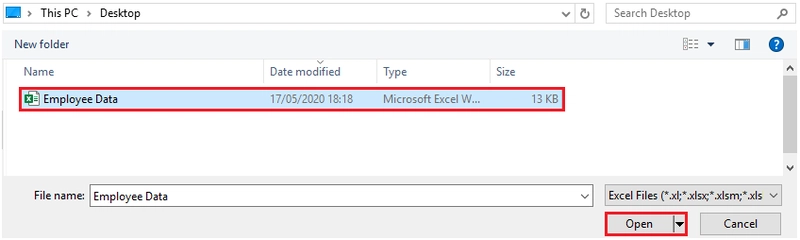
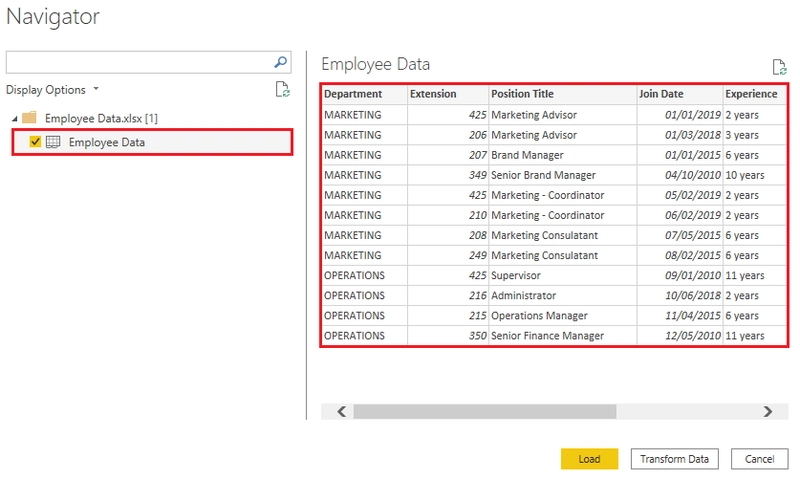
Power BI makes it easy to bring in data from different sources. Below are simple steps to help you connect to each type of data.
Connecting data from multiple sources is a key step in building effective Power BI reports. Since data is often stored in different formats and locations, Power BI provides a flexible way to bring everything together on a single platform.
With the help of Power Query, data can be cleaned, structured, and prepared before it is used for analysis. This preparation stage is important because it ensures that the data is accurate and consistent.
Well-prepared data leads to better insights, clearer reports, and more informed decision-making.
In summary, successful data analysis in Power BI starts with properly connecting and preparing your data. When this step is done correctly, it becomes easier to create meaningful and reliable dashboards.
Templates let you quickly answer FAQs or store snippets for re-use.
Are you sure you want to hide this comment? It will become hidden in your post, but will still be visible via the comment’s permalink.
For further actions, you may consider blocking this person and/or reporting abuse
Thank you to our Diamond Sponsors for supporting the DEV Community
Google AI is the official AI Model and Platform Partner of DEV
DEV Community — A space to discuss and keep up software development and manage your software career
Built on Forem — the open source software that powers DEV and other inclusive communities.
We’re a place where coders share, stay up-to-date and grow their careers.