



The topic Understanding Go: part 13 – Methods is currently the subject of lively discussion — readers and analysts are keeping a close eye on developments.
This is taking place in a dynamic environment: companies’ decisions and competitors’ reactions can quickly change the picture.
Even if you can create your first application in Go in a few minutes, understanding a new programming language is not easy and can be time-consuming.
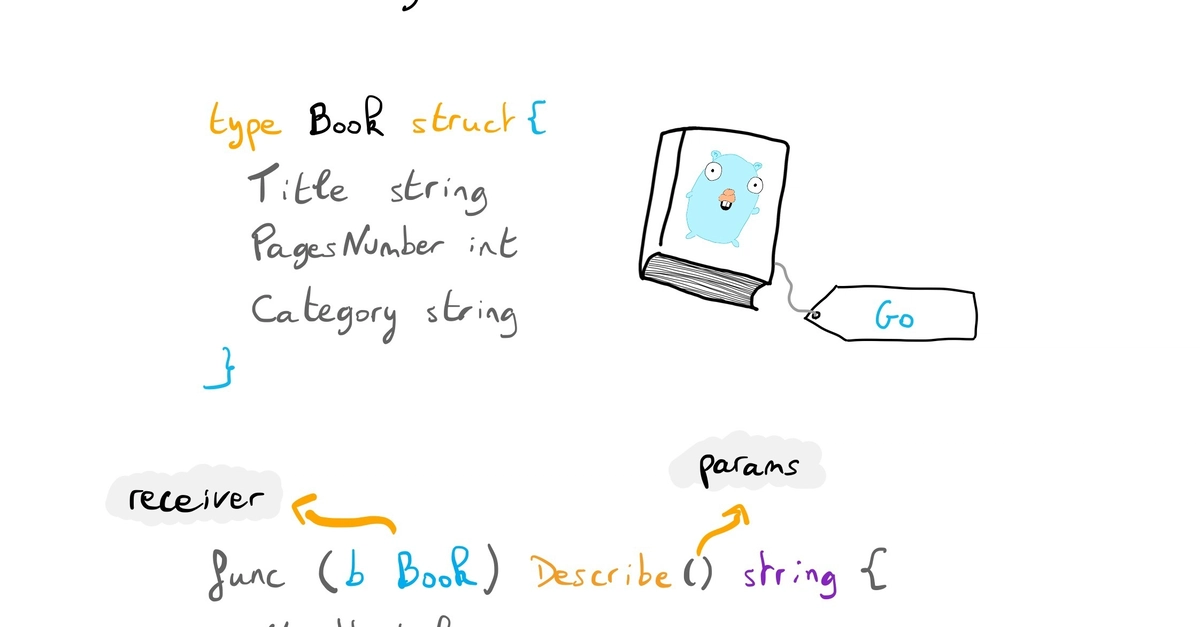
After writing the blog series Learning Go by examples, let’s discover all the concepts of Go in a visual way, in sketchnotes.
In this blog post of sketchnotes about Go, we will discover another useful concept: the “Methods”. There are special functions.
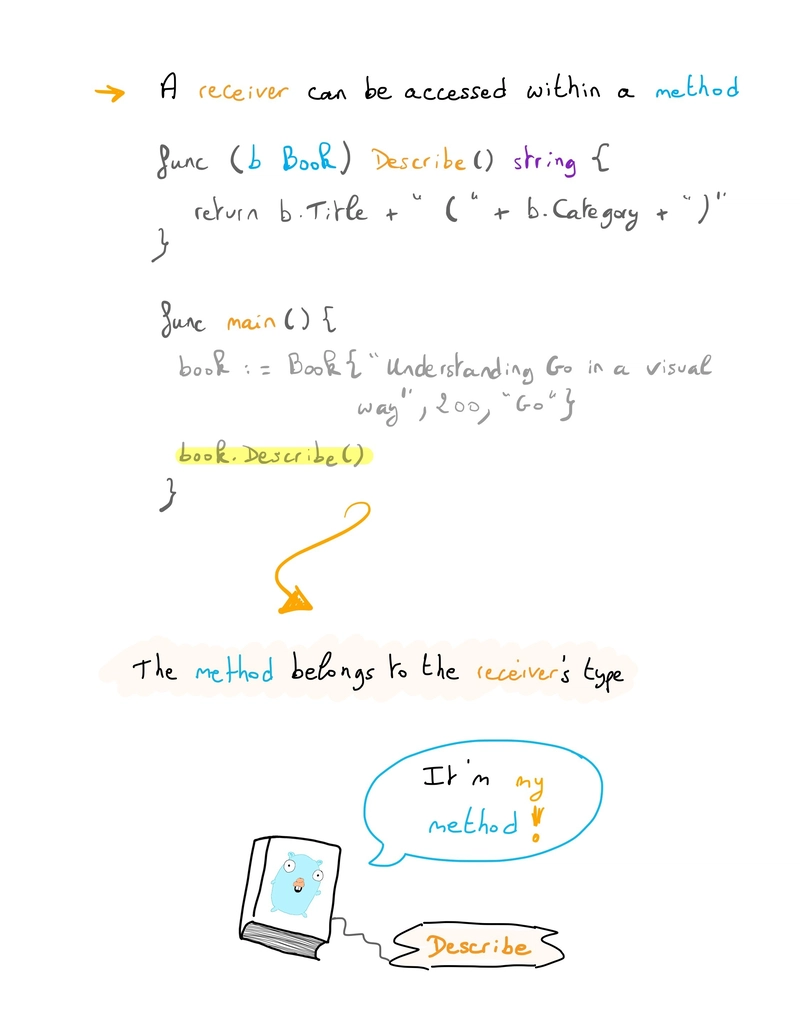
This is another blog post of this serie so if you liked it, you can follow me, and tell me what do you think ❤️. If people are interested, I will publish others sketches :-).
Moreover, if you are interested about this way to explain visually technologies, I published an entire illustrated book about Kubernetes, available in paperback on Amazon and in digital version on GumRoad: “Understanding Kubernetes in a visual way”.
And an illustrated book about Docker, available in paperback on Amazon and in digital version on GumRoad: “Understanding Docker in a visual way”.
Templates let you quickly answer FAQs or store snippets for re-use.
Are you sure you want to hide this comment? It will become hidden in your post, but will still be visible via the comment’s permalink.
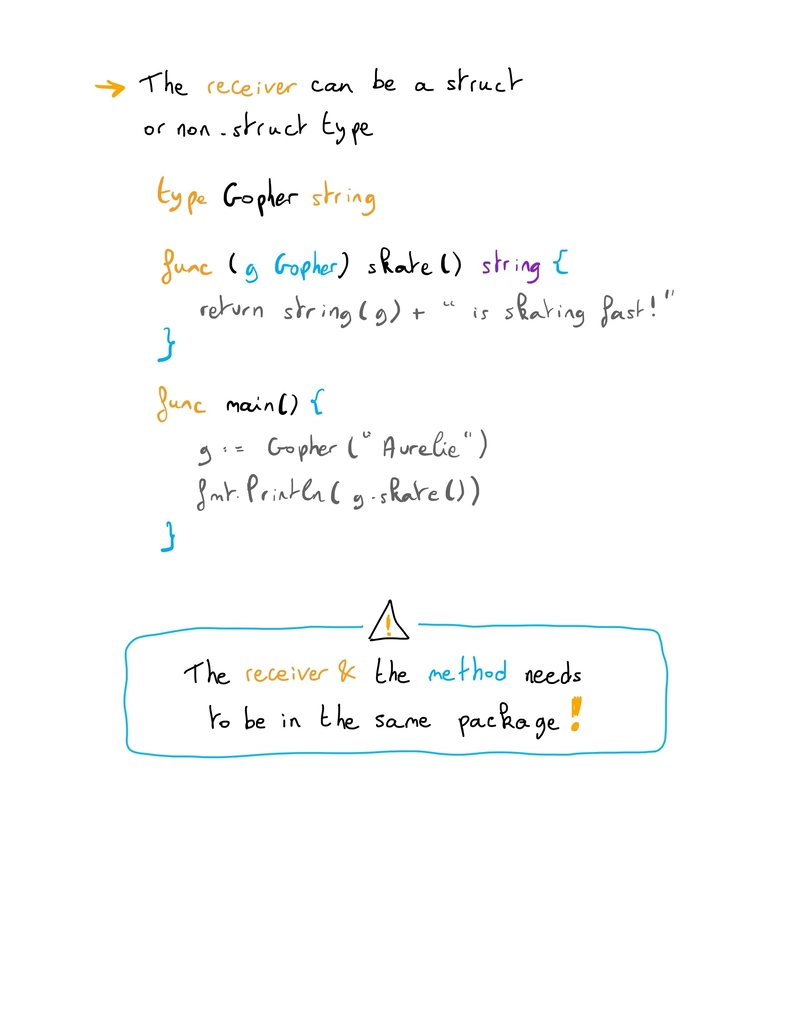
For further actions, you may consider blocking this person and/or reporting abuse
Thank you to our Diamond Sponsors for supporting the DEV Community
Google AI is the official AI Model and Platform Partner of DEV
DEV Community — A space to discuss and keep up software development and manage your software career
Built on Forem — the open source software that powers DEV and other inclusive communities.
We’re a place where coders share, stay up-to-date and grow their careers.