
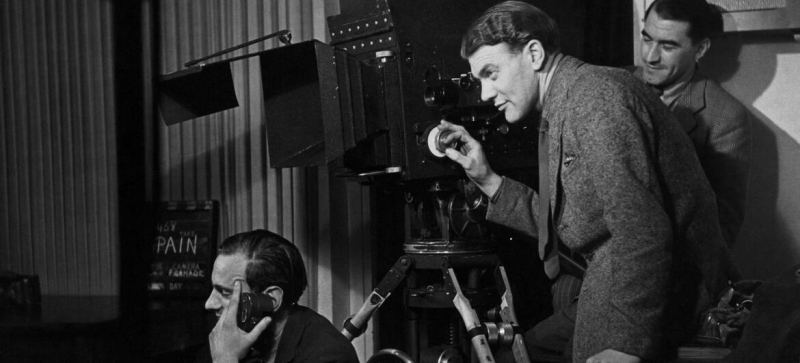

Journalists film the first session of the UN General Assembly in London in 1946. UN Secretary General in London: 80 years after the first meeting of the General Assembly, the power of humanity remains in unity Miranda Alexander-Webber, UN Information Center for Western Europe UN
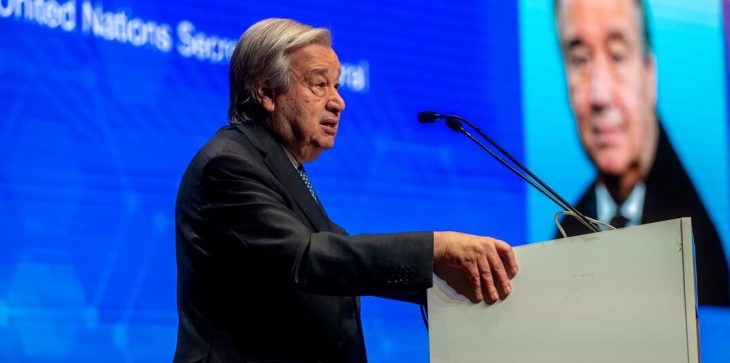
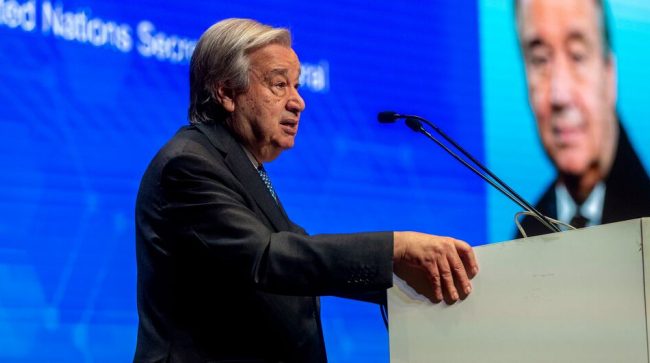
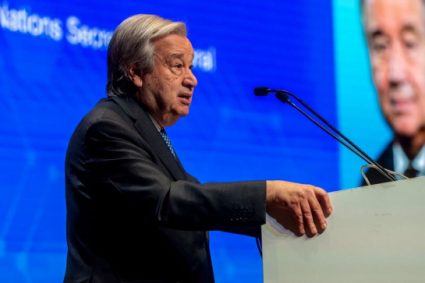
Today, trends that undermine international cooperation are intensifying, but the strength of humanity remains in unity. This was stated by UN Secretary-General Antonio Guterres, speaking on Saturday in London at an event marking the 80th anniversary of the United Nations.
The UN chief called on those present at the Methodist Central Hall in Westminster – where the first ever session of the General Assembly took place on January 10, 1946 – to be “courageous enough to change” and to “find within themselves the courage of those who came to this hall 80 years ago to create a better world.”
From the bomb shelter to the diplomatic podium
The anniversary event, organized by the United Nations Association in Great Britain, brought together more than a thousand participants from all over the world. Speakers included the President of the General Assembly, Annalena Baerbock, the UN Goodwill Ambassador for Outer Space, Professor Brian Cox, and the UN Refugee Agency Goodwill Ambassador, Maya Ghazal. The event also marks the 80th anniversary of the first meeting of the UN Security Council, held on January 17, 1946 in a nearby building.
In his speech, the Secretary General recalled the symbolism of the ceremony location. The first General Assembly took place here just four months after the end of the Second World War – in devastated London, where tens of thousands of people died.
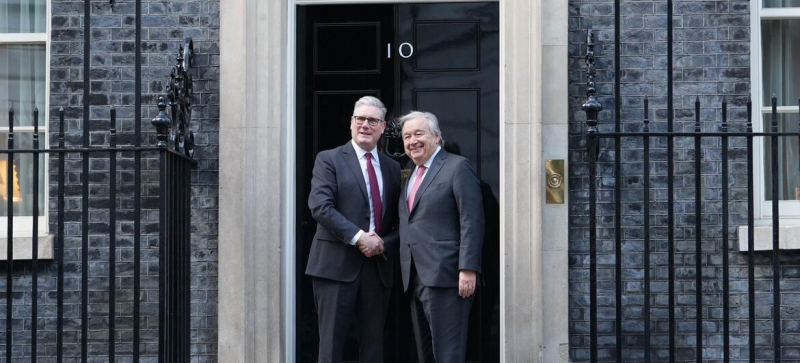
UN Secretary-General Antonio Guterres (right) meets with British Prime Minister Keir Starmer.
“To get to this hall, the delegates had to pass through a city scarred by war. Buckingham Palace, Westminster Abbey and the Houses of Parliament were bombed by the Luftwaffe. And when those bombs fell, terrified civilians took refuge here in the basement of Methodist Central Hall, one of London’s largest public bomb shelters,” said António Guterres.
In 1946, within these same walls, representatives of the states of the world gathered to “save future generations from the scourge of war.”
“In many ways, this room is the physical embodiment of what the United Nations is: a place in which people place their hopes,” said the Secretary-General.
The world has changed
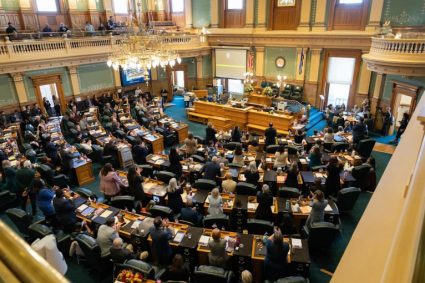
Over 80 years, the number of UN member states has grown from 51 to 193. Guterres emphasized that the General Assembly The Assembly is a “parliament of nations” where “every voice can be heard, where consensus is built and cooperation is strengthened.”
Although her work “is not always simple or smooth,” it remains “a mirror of our world—with its divisions and hopes—and the stage on which our shared history unfolds.”
Reflecting on the past ten years, the Secretary-General recalled “merciless” conflicts around the world, including in Gaza, Ukraine and Sudan, the rapid development of artificial intelligence, and the fact that the pandemic has added fuel to the fire of nationalism – slowing down progress in development and the fight against climate change.
According to him, 2025 has become an extremely difficult year for international cooperation and UN values. In particular, global military spending has reached $2.7 trillion.
“Profits from fossil fuels continued to rise while the planet set temperature records. And in cyberspace, algorithms encouraged lies, fueled hatred and gave authoritarian regimes powerful tools of control,” the Secretary General added.
In defense of multilateralism
A “strong, flexible and resourced system of multilateral cooperation” is needed to respond to interconnected global challenges, the General said secretary
Read also:
He cited the example of the international agreement that comes into force on Saturday to protect marine biodiversity on the high seas and on the seabed, calling it “a model of modern diplomacy based on science and the participation of not only governments, but also civil society, indigenous peoples and local communities.”
“These quiet victories of international cooperation—wars averted, famines averted, vital treaties—don’t always make the headlines. But they are real. And they matter,” the UN chief emphasized.
High stakes
Guterres again called for reform of the international financial system and the Security Council to reflect modern reality.
“As global centers of power shift, we have a chance to build a future that is either more just or more unstable,” he warned.
Recalling that many early UN employees bore visible wounds of war, the Secretary General added: “There is a persistent myth, which is increasingly heard, that the desire for peace is naive. As if the only “real” politics is the politics of selfishness and power.”
“But the founders of the United Nations were not out of touch with reality. On the contrary, they saw the war and knew: peace, justice and equality are the boldest, most practical and most necessary goals of all.”